


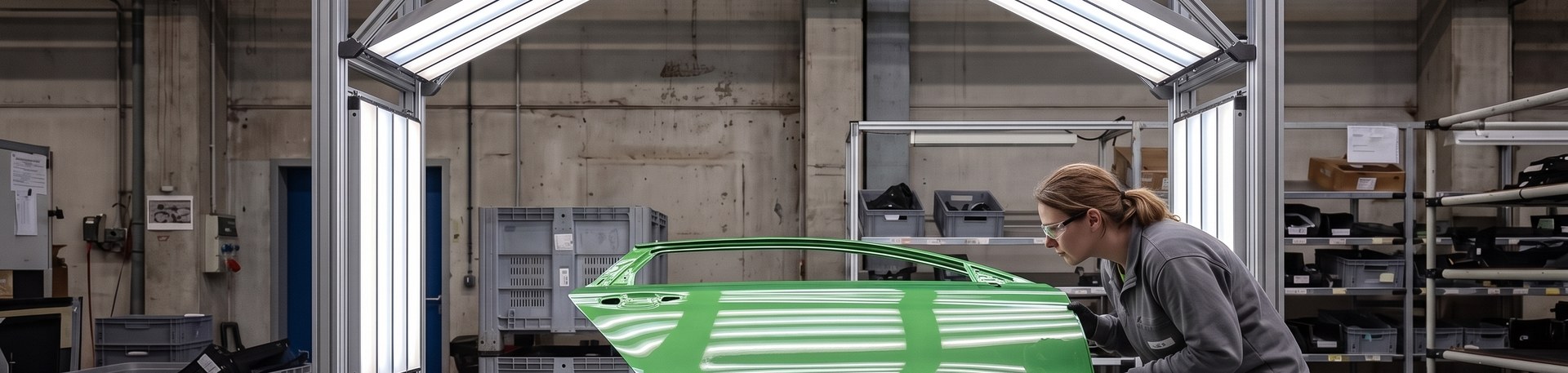
SYSTEMLED SurfaceOne – light tunnel and mobile luminaire frame for visual surface inspection
SYSTEMLED SurfaceOne creates defined lighting and reflection conditions for reliable, reproducible visual quality inspection – at a single workstation, in a light tunnel or on a mobile luminaire frame.
The inspection task
Surface defects only become visible under the right lighting conditions.
Conventional hall or workstation lighting often fails to produce a defined reflection pattern. When dents, waviness, scratches or paint irregularities are detected too late, the risk of rework, scrap and customer complaints rises.
For decorative surfaces in the automotive sector, VDA Volume 16 provides an important technical reference. It supports the clear definition of assessment conditions, surface characteristics and defect patterns.
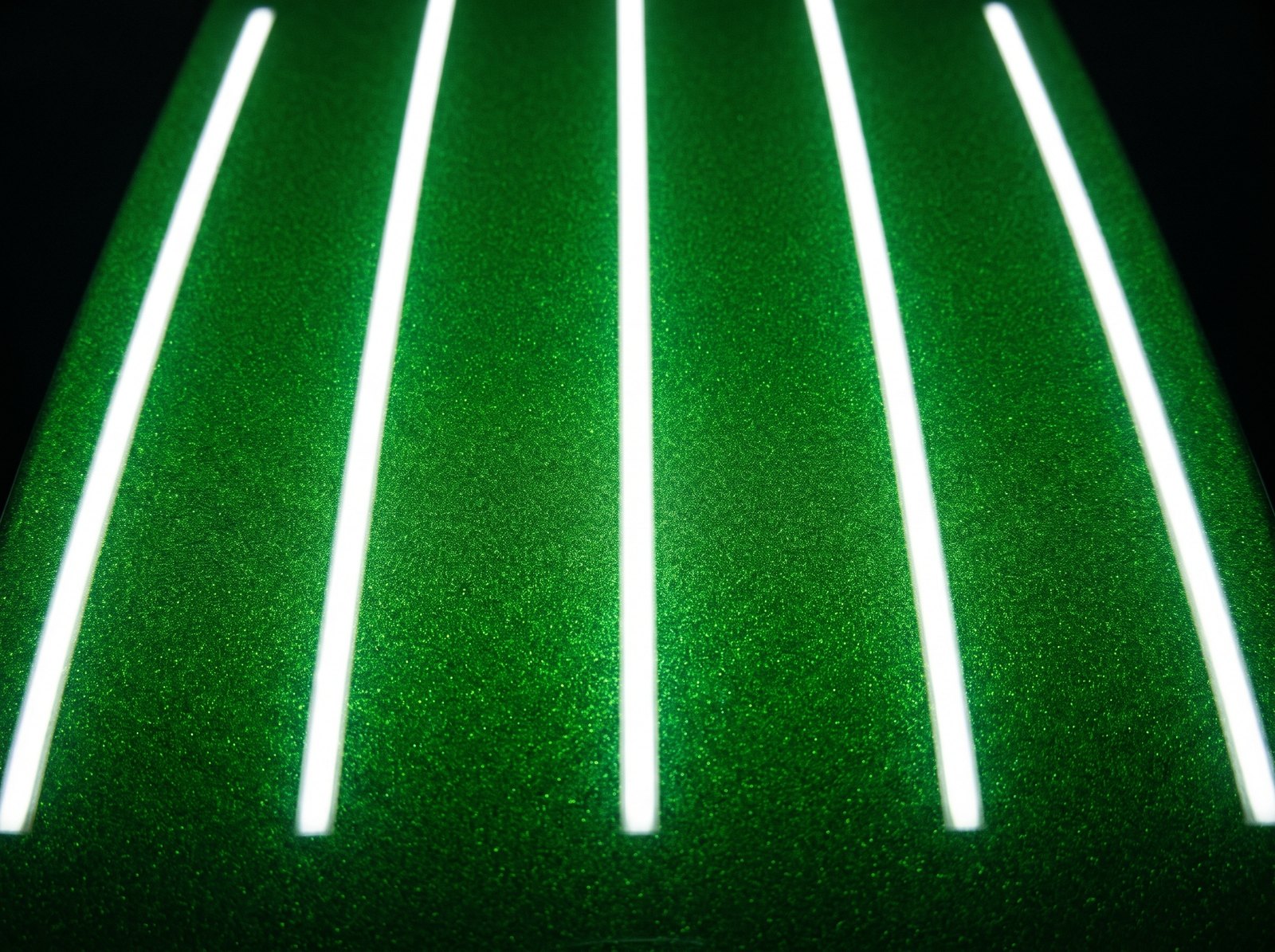
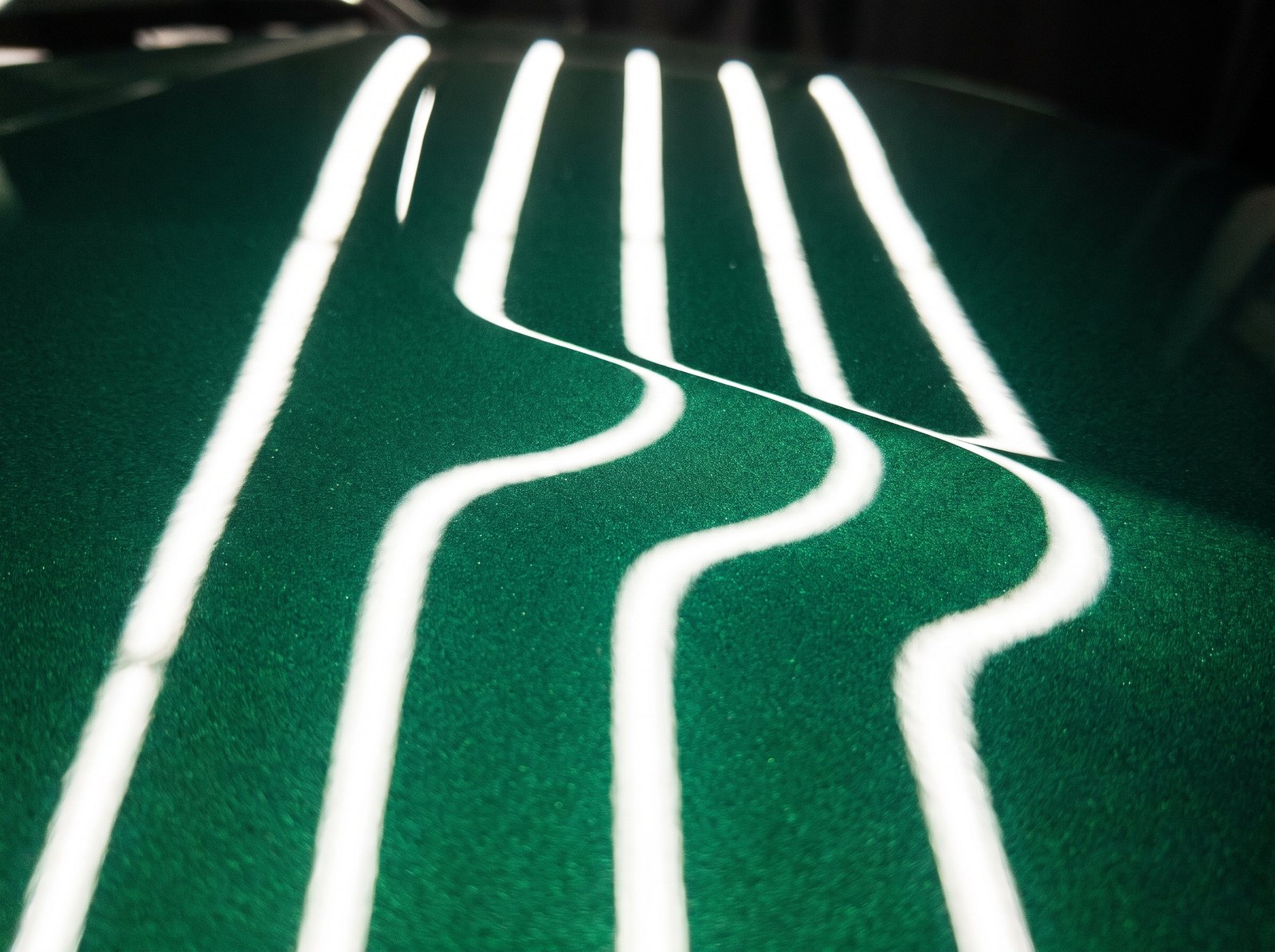
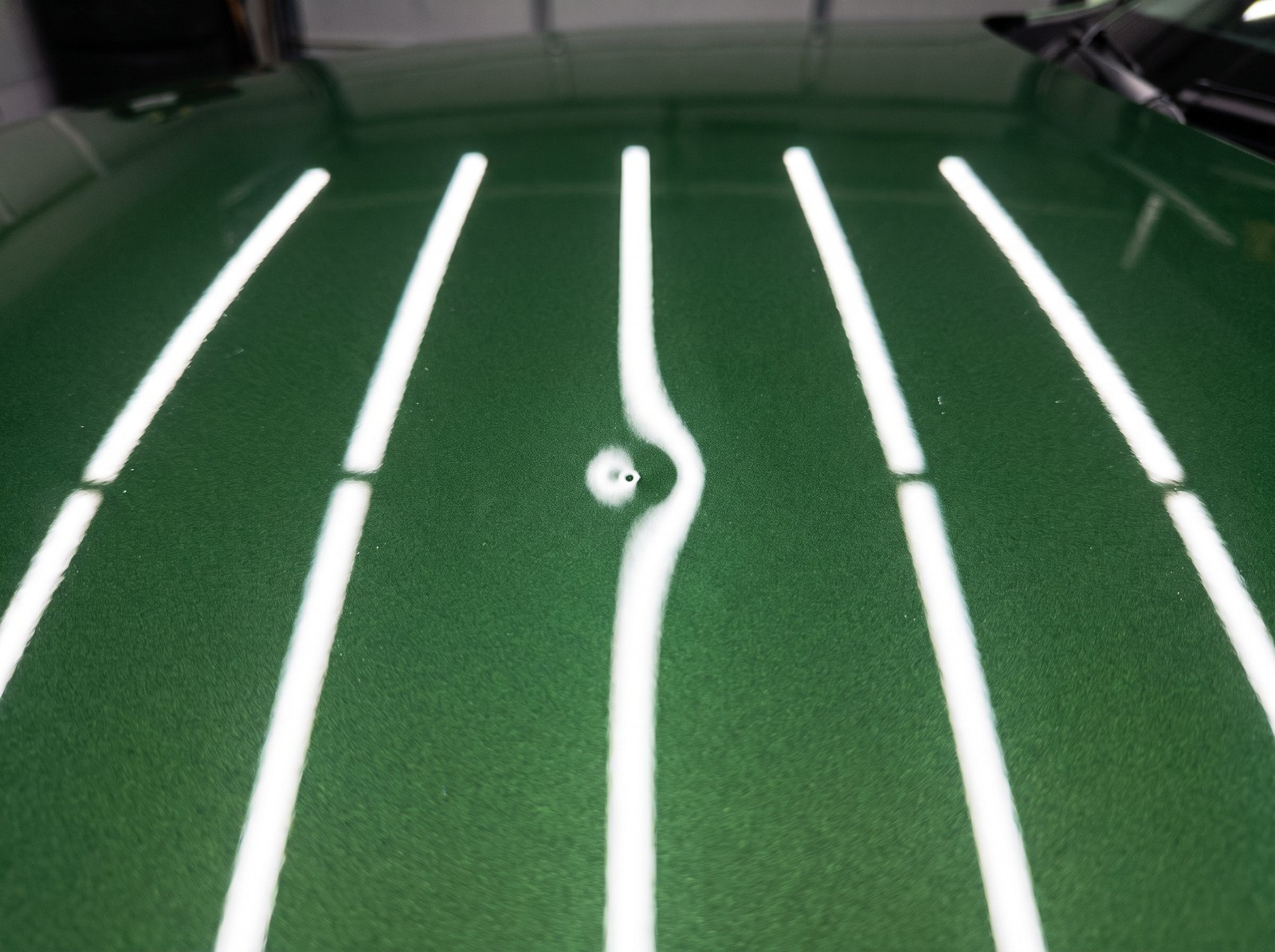
01 Illuminate in a defined way
Create large-area light reflections on the visible surface.
02 Detect the deviation
Distorted reflection lines make irregularities visible.
03 Assess precisely
Locate defects and derive the next processing step.
The system
A complete inspection solution. Not just a luminaire.
SYSTEMLED SurfaceOne was developed by LED2WORK for the visual assessment of demanding surfaces. Together with teamtechnik Industrieausrüstung as partner for mechanical system integration, we create industrial inspection solutions that combine defined lighting with modular frame constructions.
The practical benefit
Detect earlier. Decide more confidently. Reduce downstream costs.
SYSTEMLED SurfaceOne creates constant lighting conditions for reproducible inspection. The reflection pattern guides the inspector's eye; the assessment and the decision remain with the human being.
01 Detect defects early
Defined reflection patterns make dents, waviness, scratches, paint runs and other surface deviations easier to see.
02 Increase inspection confidence
Separately switchable and dimmable light colours at 4000 K and 6500 K support the confident assessment of different surfaces and defect patterns.
03 Safeguard quality
Constant lighting conditions create a reproducible basis for visual inspection and traceable decisions.
04 Reduce scrap and cost risks
Deviations detected early help to reduce unnecessary rework, scrap and later complaint risks.
The inspection station from the inspector's point of view
Anyone assessing surfaces for eight hours is not fighting the standard — they are fighting the conditions.
In inspection areas we keep hearing the same four sentences. They describe what visual inspection actually fails on in daily operation.
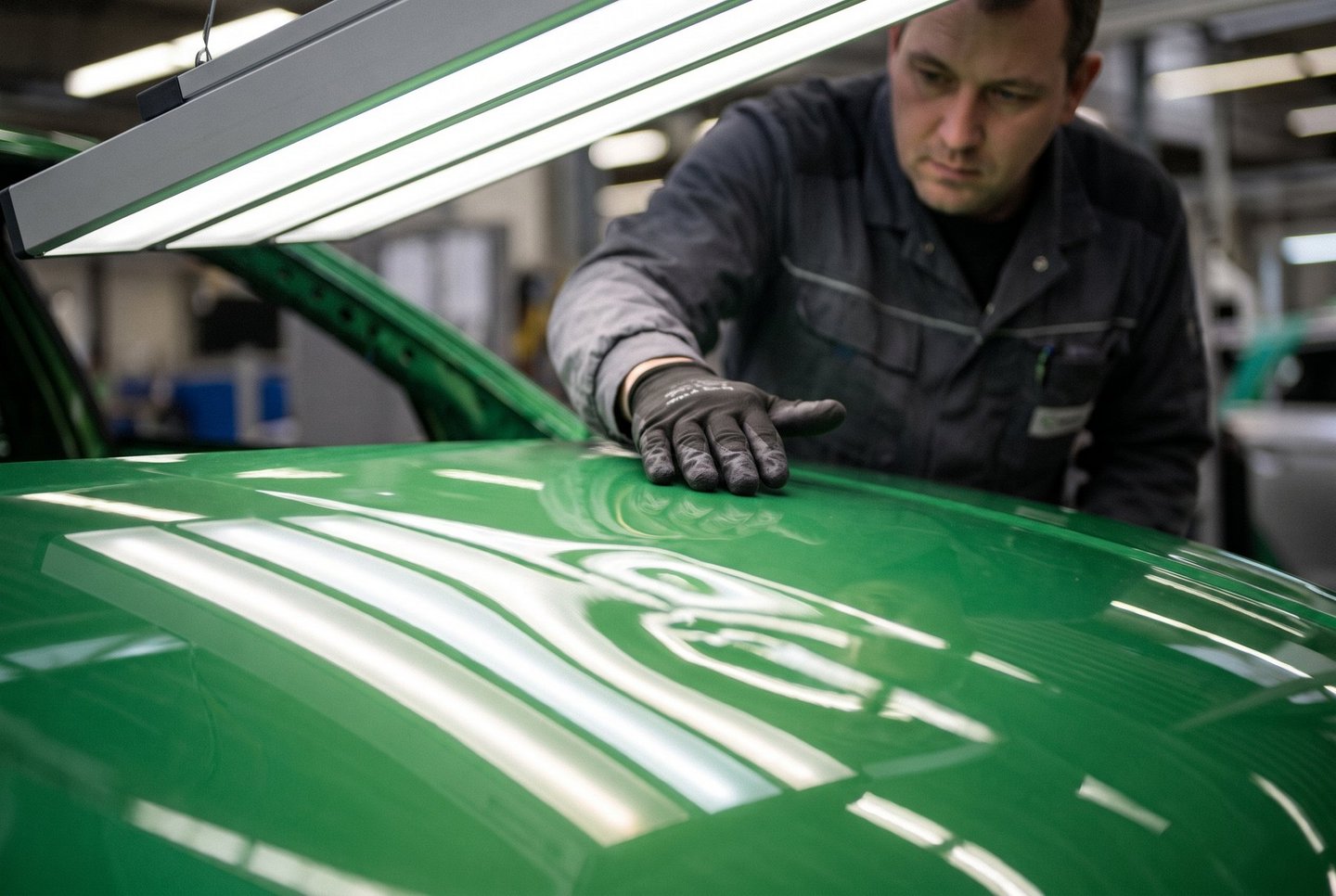
„I only see the defect once I turn the part."
A large-area, defined reflection pattern shows the deviation where it actually is. That saves tilting, turning and searching — and therefore cycle time.
„Halfway through the shift my concentration drops."
Large, even light surfaces instead of point light sources are the basis for noticing the same things at the end of a shift as at the beginning.
„My colleague judges the same part differently."
Repeatable lighting conditions remove one of the biggest sources of variation from the assessment — the condition it was made under.
„I have to justify why I released it."
Defined inspection conditions make a visual decision traceable — towards quality management and in a customer audit.
Applications
One lighting logic for a range of high-quality surfaces.
Suitability and configuration are assessed per project, based on component, material and defect pattern.
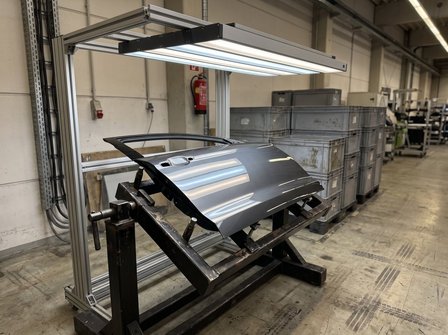
Automotive
Vehicle doors, bonnets and painted body parts – assessment of dents, waviness and paint appearance
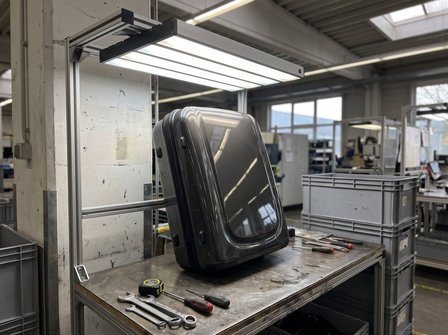
Consumer Goods
Design surfaces on household and consumer products – high gloss, textured paint and visible plastic parts
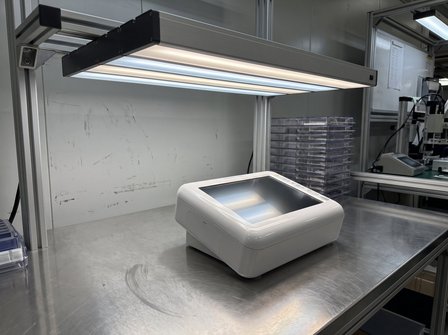
Medical Devices
Visible surfaces of medical devices and housings – light surfaces with high demands on the finish
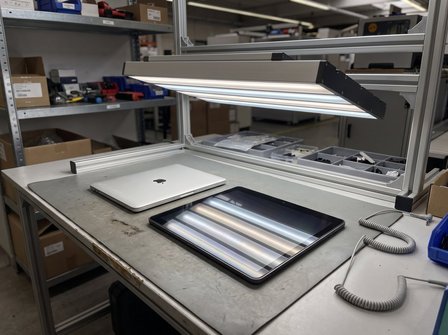
Electronics
Displays, trims and electronics housings – dark high-gloss surfaces where every scratch shows
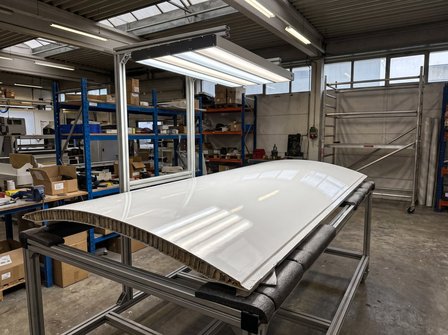
Aerospace
Painted metal and composite components – large visible surfaces with tight surface requirements
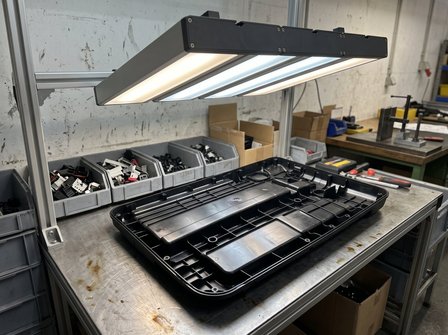
Technical Plastics
Injection-moulded parts with ribs, sink marks and flow lines – matt and glossy plastic surfaces
System components
Matching inspection environments for different component sizes.
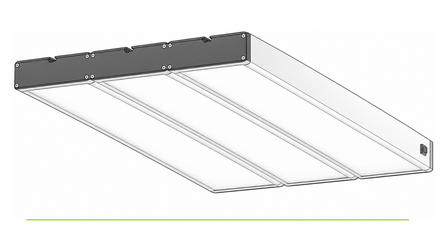
01 SYSTEMLED SurfaceOne
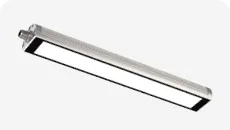
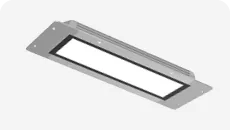
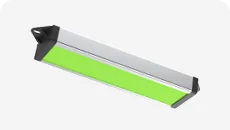
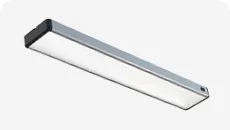
LED inspection luminaires create large-area light reflections that make irregularities on visible surfaces detectable. For visual surface inspection in the automotive sector – including inspection tasks with reference to VDA Volume 16.
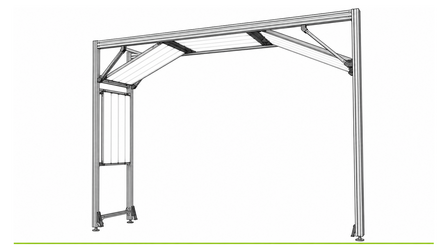
02 Light tunnel
The modular profile construction creates a firmly defined inspection environment for larger components. It can be positioned on castors and is secured stably at the inspection station.
Standard: 3,600 mm width · five SurfaceOne luminaires
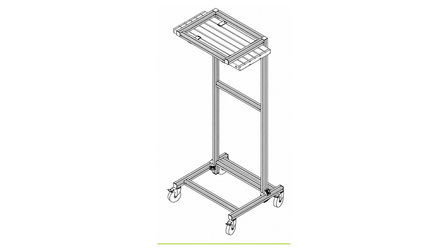
03 Mobile luminaire frame
The flexible solution brings SYSTEMLED SurfaceOne to changing inspection objects and locations. It is particularly suited to more compact components and can be moved by one person.
Standard version · part number 240800-01
System expertise for light tunnel and luminaire frame
LED2WORK develops and manufactures the SYSTEMLED SurfaceOne inspection luminaires. teamtechnik Industrieausrüstung handles the design and manufacture of the modular aluminium frames for the light tunnel and the mobile luminaire frame.
Defined inspection lighting and modular frame construction – matched to component, inspection zone and location. This is how standard solutions and customer-specific versions are created for each inspection and production environment.
Do you only need the luminaire for now?
The SYSTEMLED SurfaceOne LED surface inspection luminaire can be ordered immediately from the LED2WORK B2B shop – in three lengths (472, 898 and 1120 mm), each with 3 or 4 light strips.
The light tunnel and the mobile luminaire frame are specified in a project-based consultation and are not sold through the shop. For both there is a standard version as a starting point: the light tunnel at 3,600 mm width with five SurfaceOne luminaires, and the mobile luminaire frame under part number 240800-01.
Frequently asked technical questions
Orientation for automotive inspection tasks.
01. What does VDA 16 mean for visual surface inspection?
VDA Volume 16 covers the assessment of decorative surfaces of add-on and functional parts in the interior and exterior of automobiles. SYSTEMLED SurfaceOne creates defined lighting and reflection conditions for visual inspection. The specific inspection conditions and acceptance criteria are defined individually with each customer.
02. Which defects become visible at 4000 K and which at 6500 K?
There is no blanket assignment. With SYSTEMLED SurfaceOne, 4000 K and 6500 K can be switched and dimmed separately. 6500 K provides a daylight-like reference for colour and paint assessment; 4000 K complements the inspection under neutral white artificial light. Switching between the two light colours helps to reveal illumination-dependent colour deviations. Form and structure defects such as dents, waviness, scratches or paint runs are identified mainly through changes in the reflection pattern – under both light colours. Which setting produces the strongest contrast depends on material, colour, gloss level, geometry and inspection task.
03. Can SYSTEMLED SurfaceOne be retrofitted to an existing inspection station?
In many cases, yes. The luminaire is designed for mounting on aluminium profile constructions of the kind commonly used at inspection and assembly workstations. Whether your existing setup is suitable depends on the profile system, the mounting height and the required inspection distance. Send us a photo of your inspection station — that is usually the fastest way to clarify it.
04. Which component sizes does the light tunnel cover?
The standard version is 3,600 mm wide and is fitted with five SYSTEMLED SurfaceOne luminaires. This allows large components such as doors, bonnets and tailgates to be assessed. Width, height and the number of luminaires can be adapted in the design — the right specification is developed per project from component size, inspection zone and available floor space.
05. When is the mobile luminaire frame the better choice?
Whenever the inspection has to come to the component rather than the other way round: at changing locations, with more compact components, or when no fixed inspection station is to be set up. The frame runs on castors and can be moved by one person. Standard version: part number 240800-01.
06. Does inspection lighting replace automated optical inspection?
No, and that is intentional. SYSTEMLED SurfaceOne creates the conditions under which a human being can assess reliably. The decision stays with the inspector. In many plants the two approaches complement each other — automated systems for defined, recurring characteristics, visual inspection for everything that cannot be fully specified.
07. How does a project run?
It starts with a technical conversation about component, defect pattern, inspection environment and objective. From that we develop a proposal for the configuration — from the single luminaire through the mobile luminaire frame to the light tunnel. The mechanical design of the frames is handled by our partner teamtechnik Industrieausrüstung. You receive an individual quotation for lead time and price.
08. Can I also buy the luminaires on their own?
Yes. SYSTEMLED SurfaceOne can be ordered directly from the LED2WORK B2B shop in three lengths (472, 898 and 1120 mm), each with 3 or 4 light strips. The light tunnel and the mobile luminaire frame go through the project-based consultation.
Which surface do you need to inspect reliably?
We clarify component, defect pattern, inspection zone and integration requirements – as the basis for a suitable SYSTEMLED SurfaceOne configuration.
Need a quotation? Create it yourself right away in our shop: register as a business customer, add the items to the cart and click “Create PDF offer” – no waiting for a reply.
Helpful for the first conversation
- Component – material, dimensions and visible surface
- Defect pattern – dents, waviness, scratches or paint appearance
- Inspection environment – workstation, cycle time and available space
- Project objective – new installation, extension or optimisation
- Standard / inspection reference – for example VDA Volume 16 or customer-specific inspection requirements
Prefer to write directly? pm@led2work.com